
Athens Sanctuary
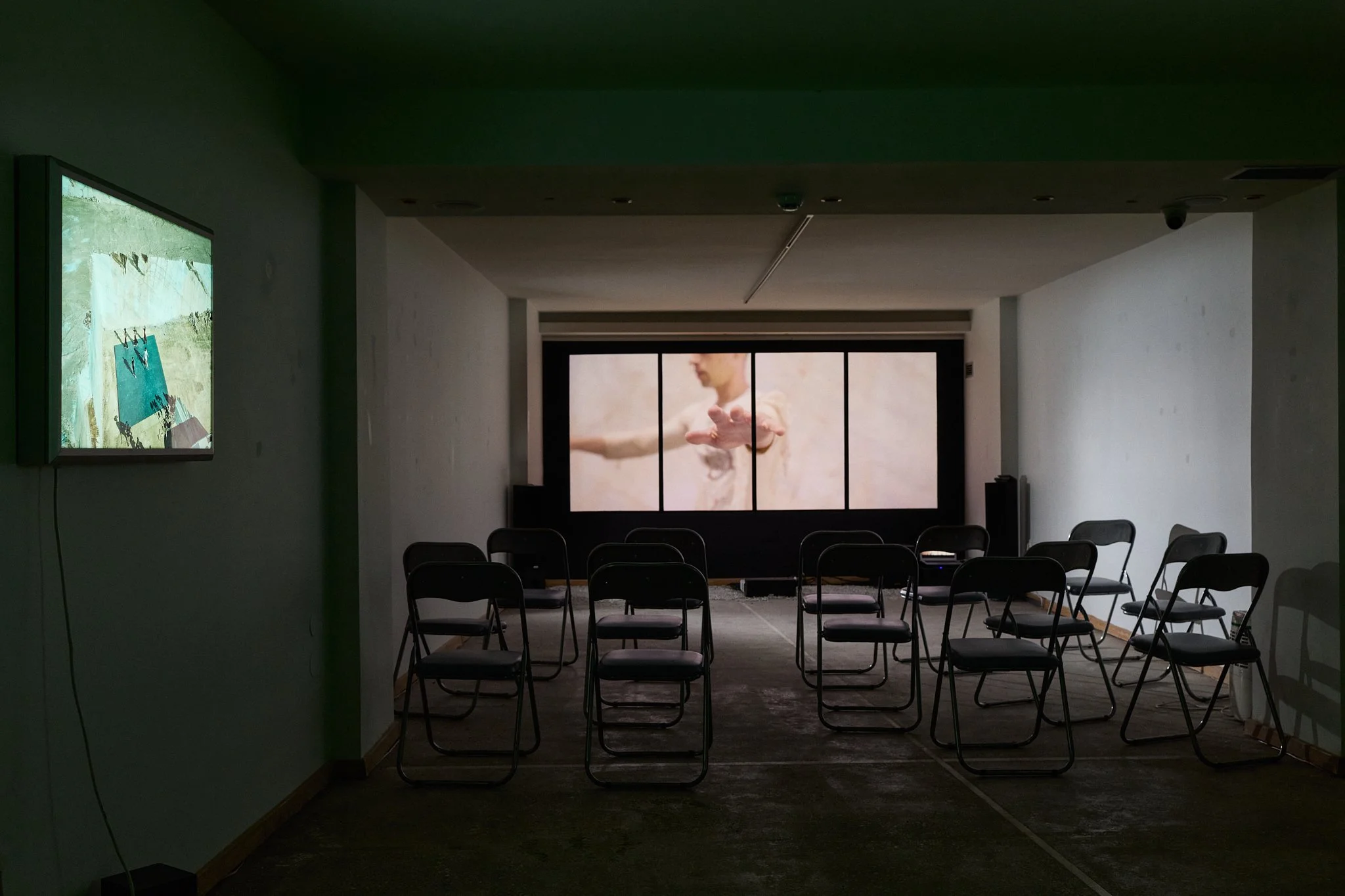
Video Installation with Light Boxes
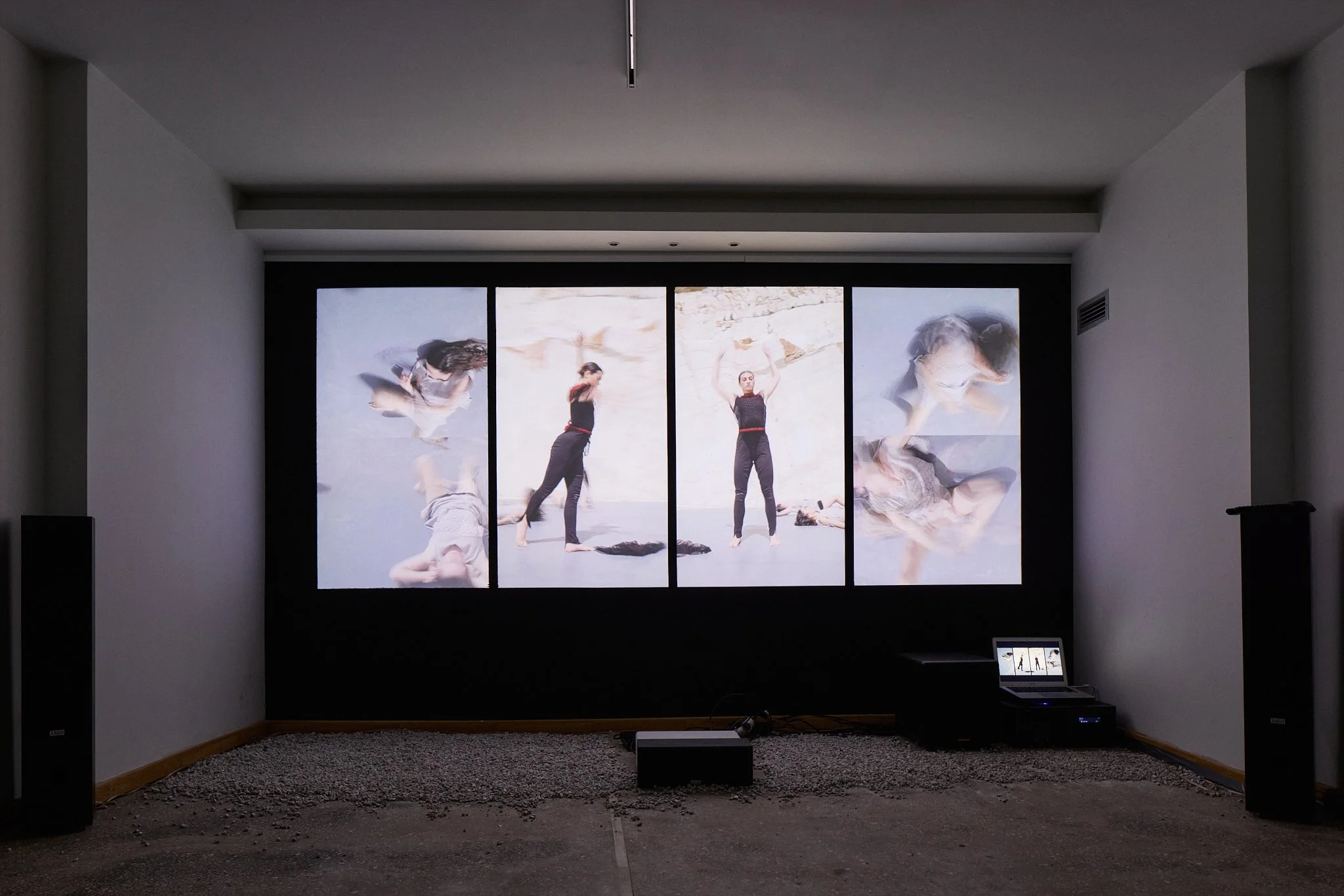
A Tetratych Montage Of Two Dances Translate
Greek Tragedies Into a Timely Exploration Of Alterity
Excerpt from Athens Sanctuary
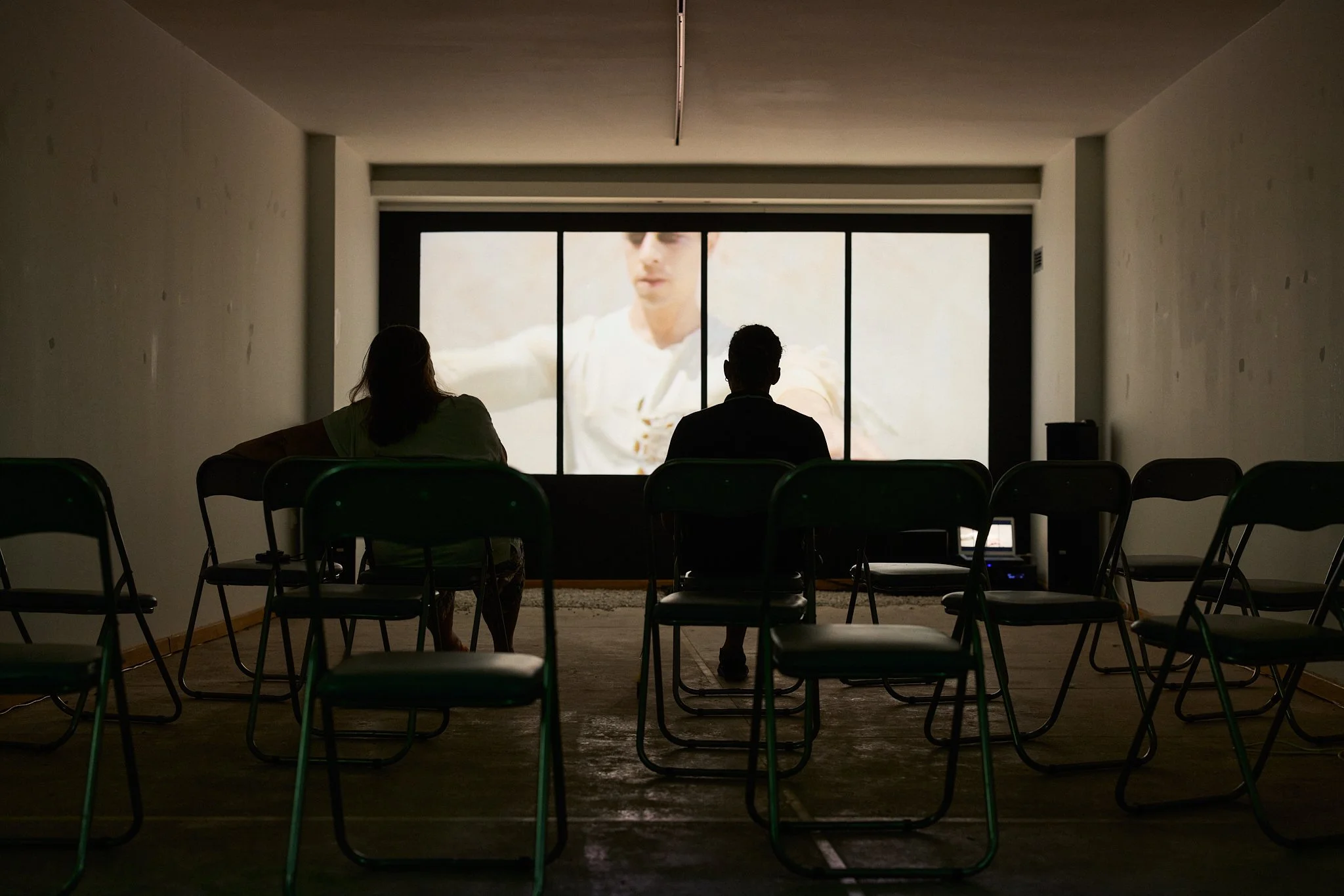
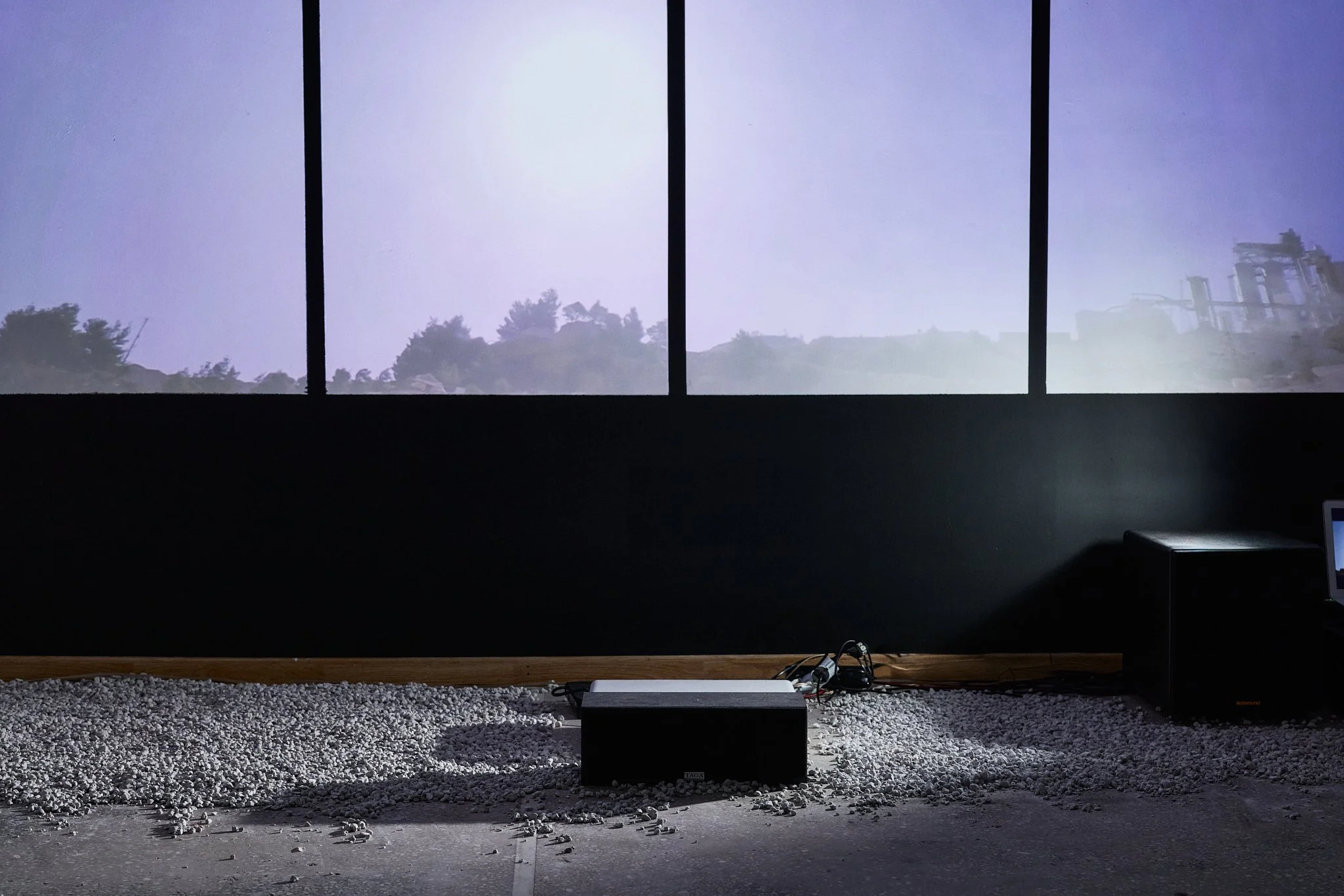
Documentation of Athens Sanctuary, Video Installation with Light Boxes, at Lofos Art Project, Athens, Greece, 2025
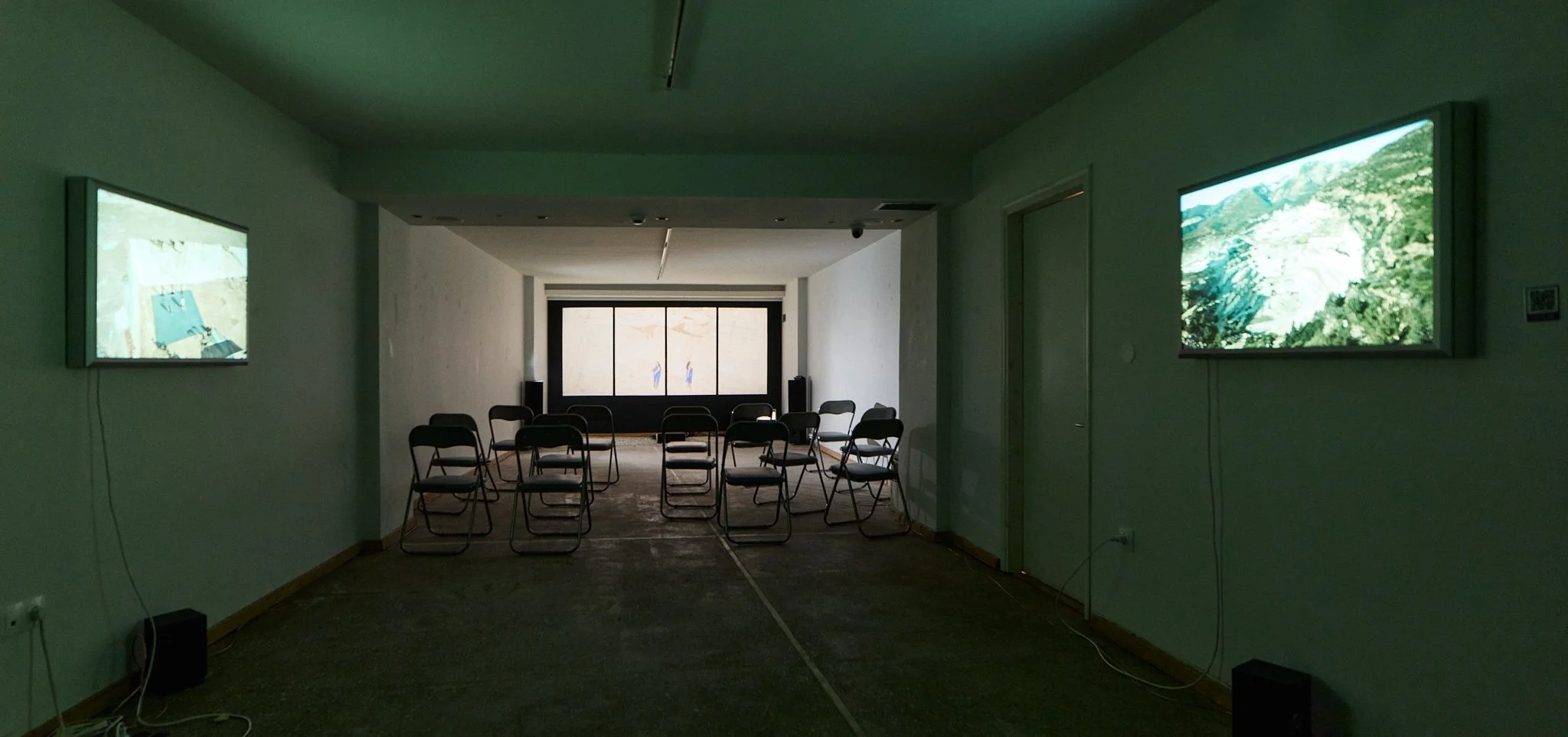
Light Boxes
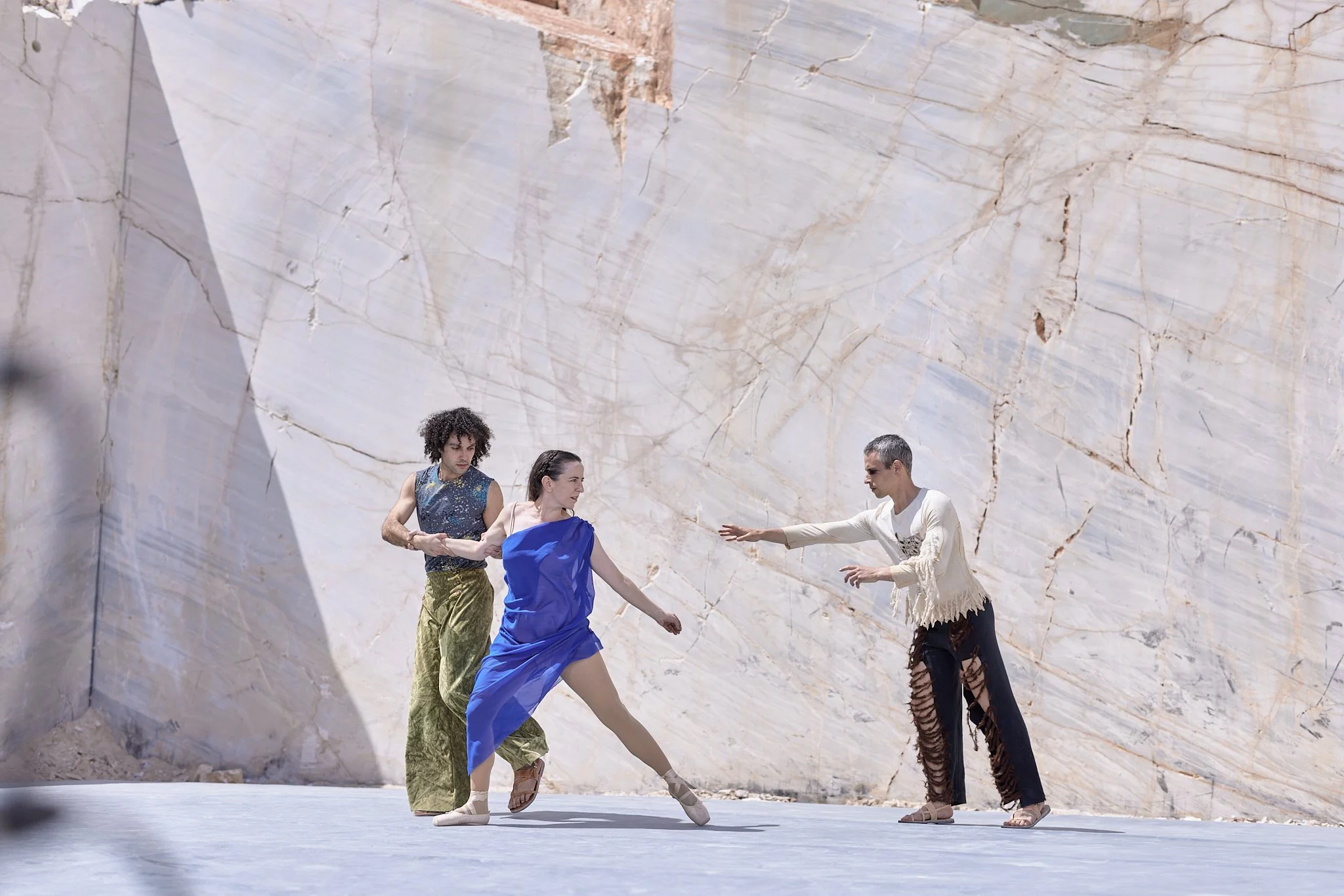
Creon Takes Antigone from Oedipus, Athens Sanctuary, 2024
60 x 90 cm silver dye bleach transparency in aluminum light box
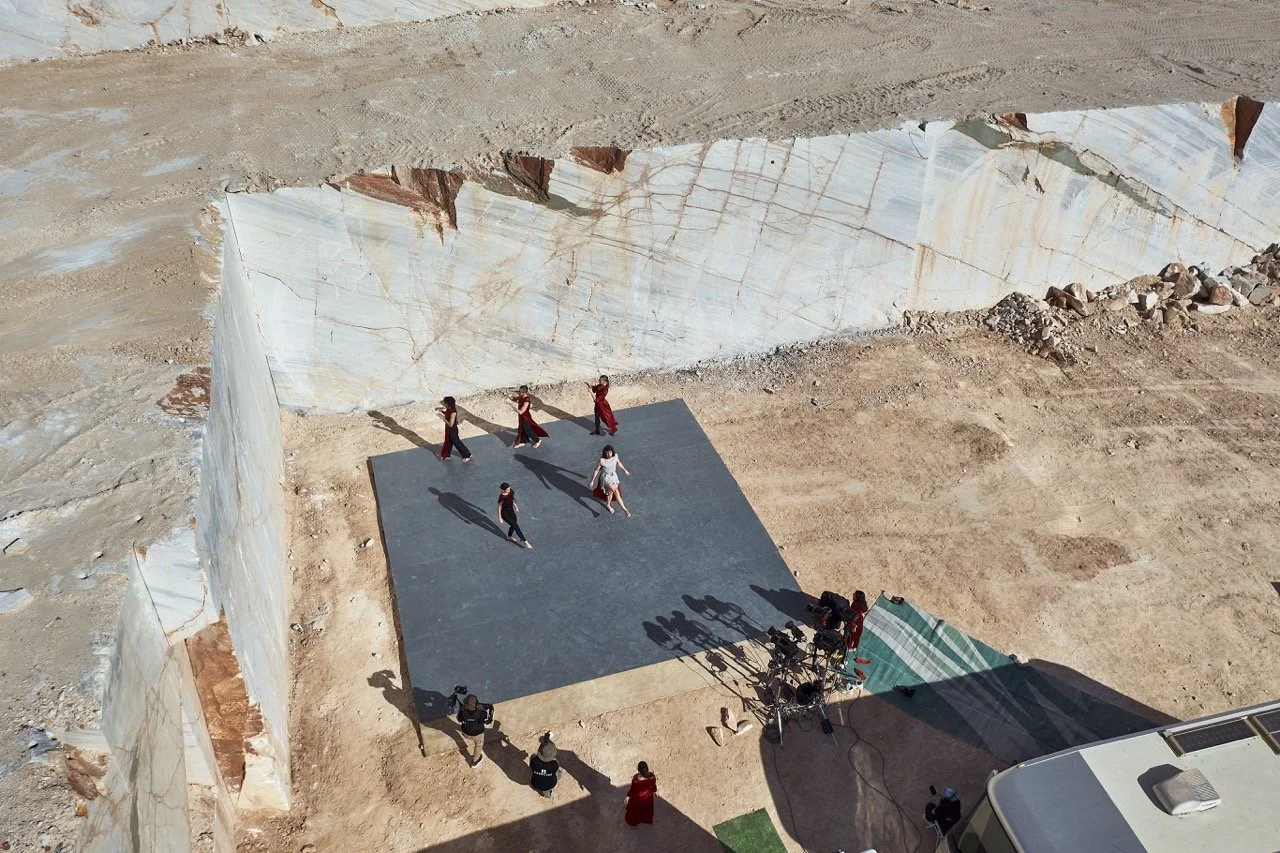
Filming Athens Sanctuary 01, Athens Sanctuary, 2024
60 x 90 cm silver dye bleach transparency in aluminum light box
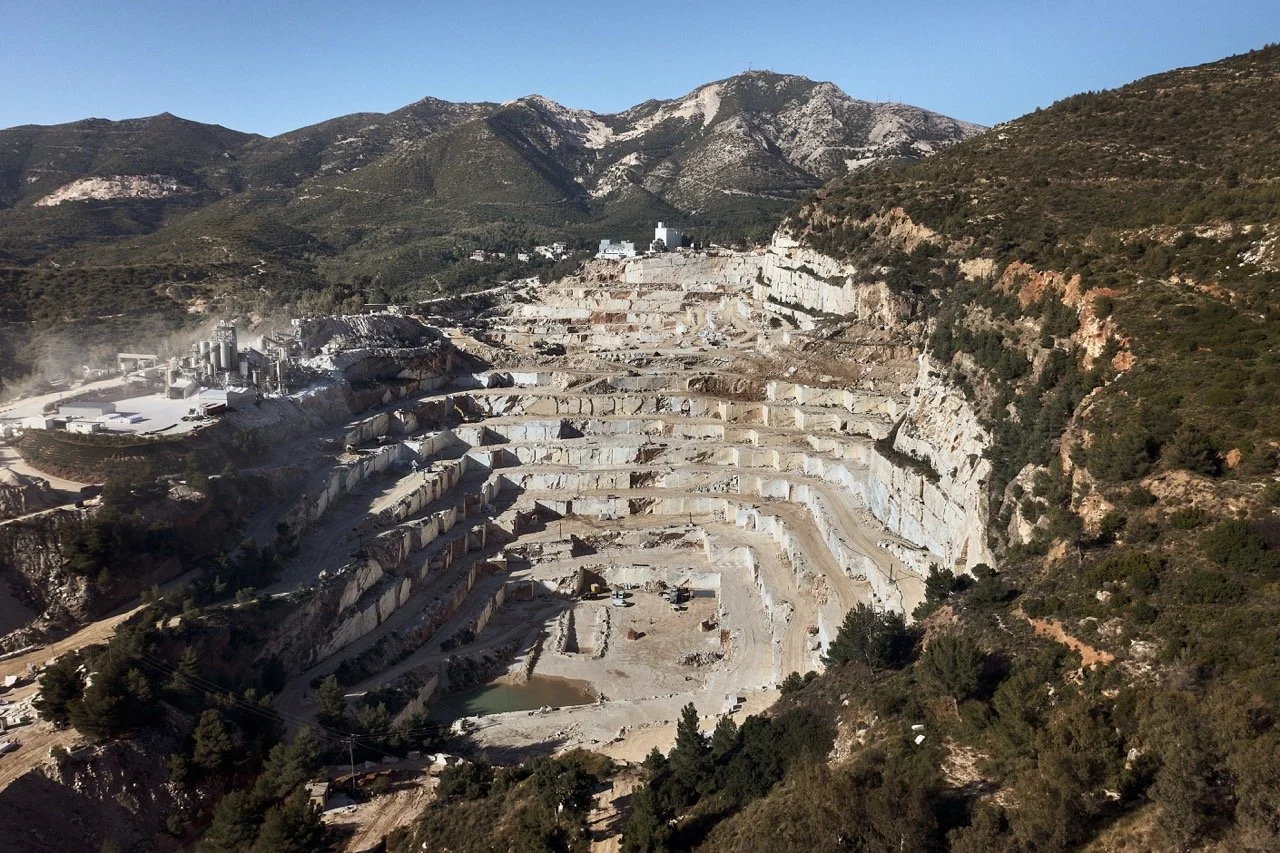
Marble Quarry on the Side of Mount Pentelcus as Greek Theater 01, Athens Sanctuary, 2024
60 x 90 cm silver dye bleach transparency in aluminum light box
Artist’s Statement
I filmed Athens Sanctuary in a marble quarry on the side of Mount Pentelicus. This is a mountain near Athens from the side of which was taken the marble used to rebuild the Athenian Acropolis after it was destroyed in the 5th century BCE. The video installation I based on two Greek tragedies, The Eumenides of Aeschylus and The Oedipus at Colonus of Sophocles. These were interpreted as two dances and performed to an original work of techno-music composed for the work by an Athenian composer of electronic music, Anthony Palaskas. A contemporary source of inspiration was the previous work I did in Greece, a documentary film entitled No Human Is Illegal. This earlier documentary is based primarily on interviews with two groups, the first being undocumented migrants who were then being detained on the island of Mytilene and prevented from traveling further into Europe and the second group being those offering assistance to the first group. The experience of filming the interviews had a profound effect on me. As I edited them back in New York City, I felt again painfully my own limitations both to transmit what members of the first group being interviewed wanted to send across a barrier they were not physically allowed to cross and for me to make the film I wanted to make–yet also the importance of the effort. The challenge for me was no doubt increased because my paternal grandparents were Pontian Greeks, most of whom fled into Greece in the 1920s, escaping the genocide that an ethno-nationalist movement in Turkey was carrying out along religious lines.
The Eumenides and Oedipus at Colonus have to do with a non-citizen being received into the polis of Athens: in the case of Orestes, in order to find justice, and, in the case of Oedipus, in order to end years of exile and exclusion. In the first play, Orestes comes to Athens fleeing the Furies who seek vengeance for the matricide he has committed and is provided a jury trial. In Oedipus at Colonus, the blind figure of Oedipus, who has been guided to Athens by his daughter Antigone, after years of wandering in exile for parricide and incest, is offered sanctuary. Together the two plays raise questions of alterity and “strangeness,ˮ in so far as these qualities are an ineluctable part of any state and of any citizen of any state.
I made Athens Sanctuary in collaboration with interdisciplinary artist Alisha Trimble (aka Aliki Pavli), who is responsible for the choreography, costuming and who also dances in it. The dances were performed to original compositions of techno-music by composer Anthony P (aka Anthony Palaskas). The dancers were filmed by director of photography Alexander Kakouris and Steadicam operator Vassilios Paroussis. Film editor Alexandros Kantoros then worked with me to make a montage of the dances that plays over multiple screens. It is anticipated that the installation will change for each location. In the case of its exhibition at the Lofos Art Project in Athens, the installation included two documentary photos in light boxes by Yorgos Vdokakis. Producers of Athens Sanctuary are Lamprini Thoma of Barricade and myself. Running time: 18 minutes.
— Richard C. Ledes December 12, 2025
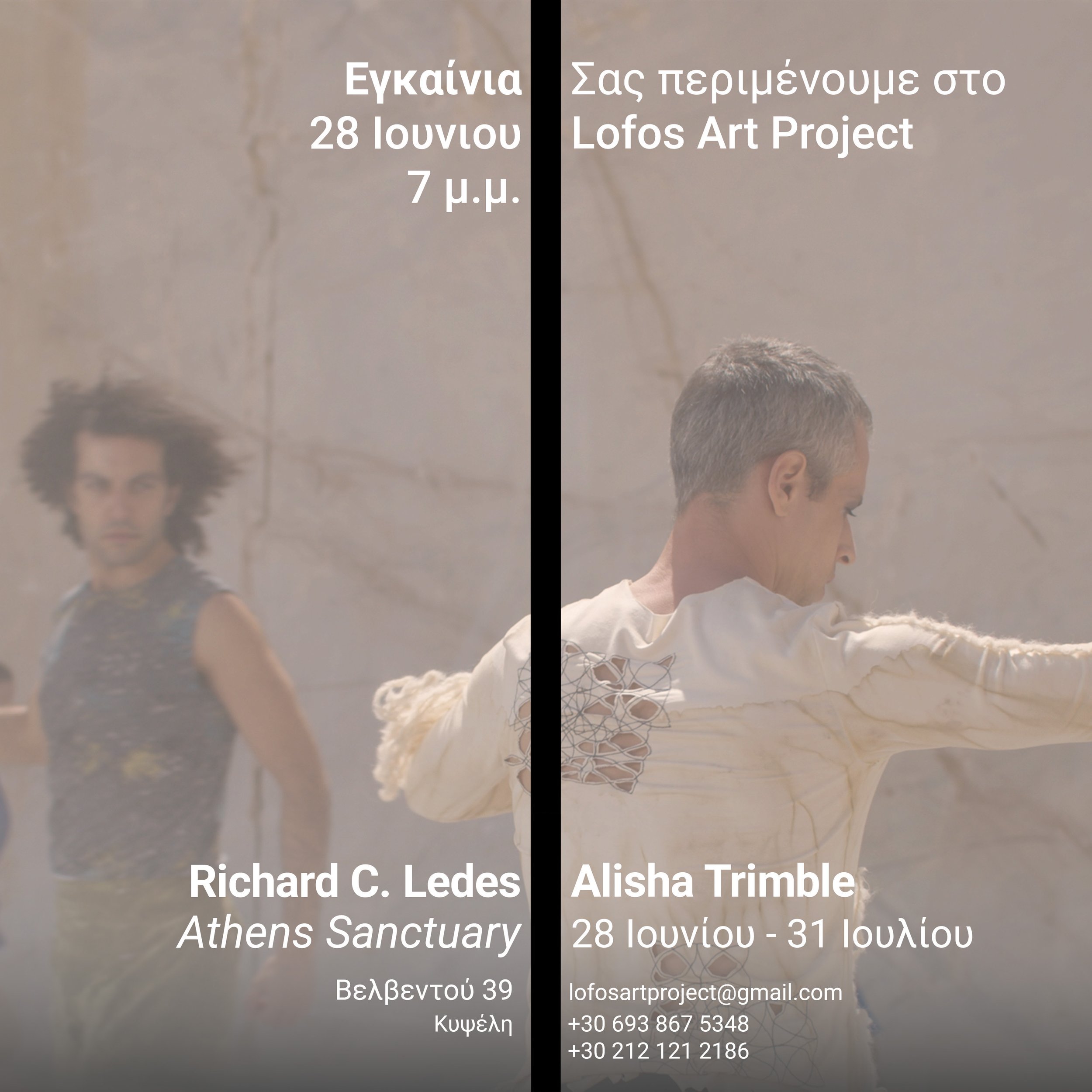
Past Exhibition
Athens, Greece:
June 28 - July 31, 2025
Lofos Art Project. 39 Velvendou Str Kypseli, Athens